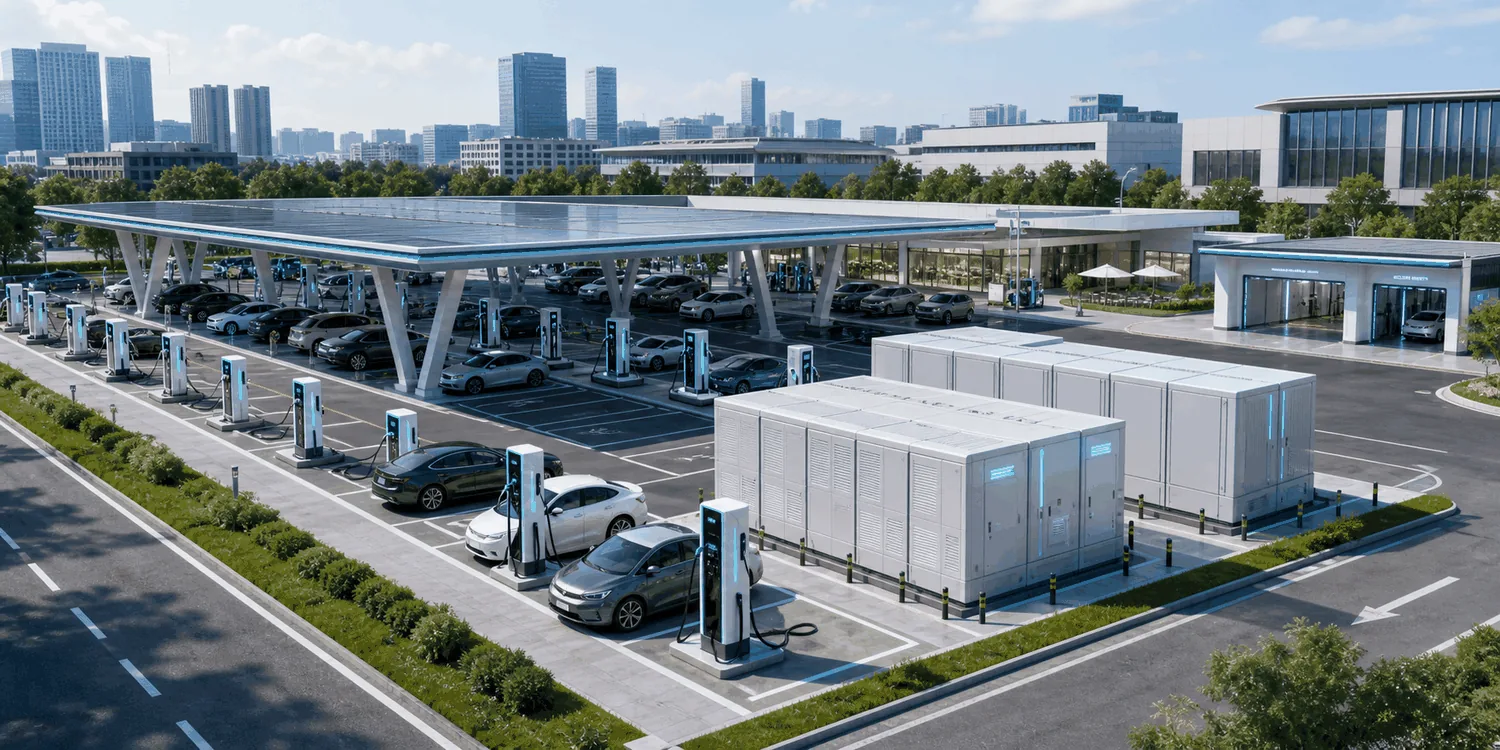
Fast fault response, electrical protection, thermal management, system monitoring, and site discipline.
Self-developed 6ms safety protection supports reliable charging station operation.
Discuss safety requirements early during site design and product selection.
Safety is engineered before installation
EV charging station safety is not a single component. It comes from product design, protection logic, site layout, installation quality, monitoring, and maintenance discipline. For DC fast charging, the system must respond quickly to abnormal conditions while continuing to deliver stable service during normal operation.
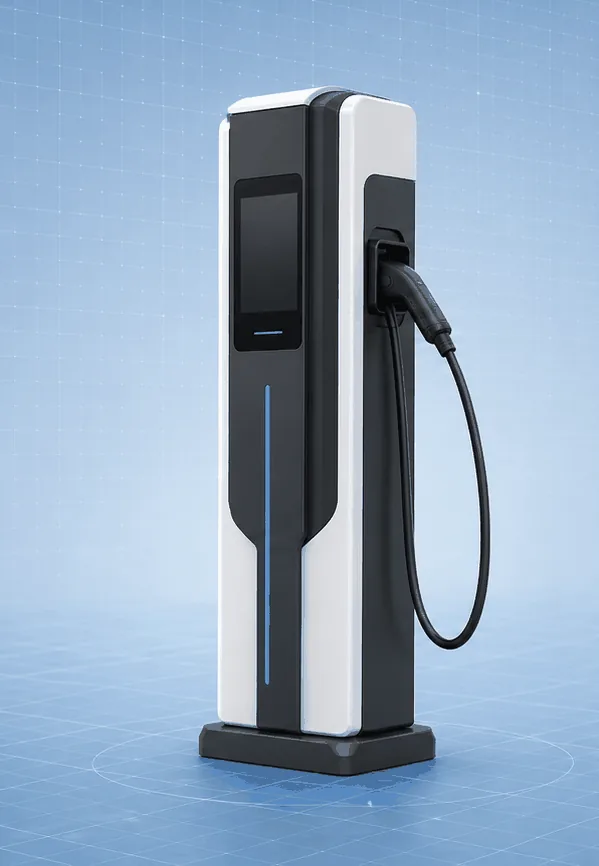
Safety areas that buyers should evaluate
- Electrical protection: fault detection, isolation logic, cabinet protection, and grid-side coordination.
- Thermal control: cooling design, cable load, cabinet ventilation, and ambient temperature fit.
- Charging communication: stable interaction between charger, vehicle, and operator platform.
- Site layout: safe cable routing, traffic flow, service access, drainage, and emergency planning.
- Operation monitoring: remote visibility, alarms, maintenance records, and uptime management.
How to include safety in an RFQ
Buyers should not wait until installation to discuss safety. The RFQ should mention target power, grid condition, ambient temperature, installation environment, protection requirements, local standards, and operation model. These inputs allow Hifuture to recommend suitable product architecture and configuration details.
Frequently Asked Questions
What does 6ms safety protection mean for EV charging?
It refers to fast protection response logic intended to help the system react quickly to abnormal charging conditions and support safer station operation.
Is site layout part of charging safety?
Yes. Cable routing, traffic flow, drainage, cabinet access, signage, and emergency planning all affect charging station safety and long-term reliability.