
Overseas distributors, EPC partners, and operators preparing CCS2 fast-charging projects.
OCPP 1.6, CCS2 connector options, CE-series portfolio, and project documentation readiness.
Lower selection risk before quotation, pilot rollout, and local compliance review.
Why export readiness matters before charger selection
For overseas EV charging projects, price is only one part of the decision. Buyers also need confidence that the charger can match the local connector standard, back-office software, installation practice, service model, and documentation requirements. Hifuture designs export-oriented DC charging products around practical deployment questions: where the station will be installed, how many vehicles must be served, what power level is required, and how the charger will connect to the operator platform.
The most common export discussion starts with CCS2 and OCPP 1.6. CCS2 is widely used in European and many international markets, while OCPP 1.6 helps operators connect charging hardware with a charging management system. When these two requirements are discussed early, project teams can shorten technical clarification cycles and move faster toward a reliable quotation.
What buyers should confirm before requesting a quote
- Connector requirement: confirm CCS2, cable length, single or dual connector operation, and any local user-interface preference.
- Power range: match 60-80kW, 120-160kW, 180-240kW or higher capacity systems to the vehicle mix and expected dwell time.
- Backend protocol: define OCPP 1.6 integration requirements, charger identification, payment flow, and remote monitoring expectations.
- Installation scenario: describe whether the site is a parking lot, highway stop, depot, destination charging area, or commercial supercharging station.
How Hifuture supports overseas partners
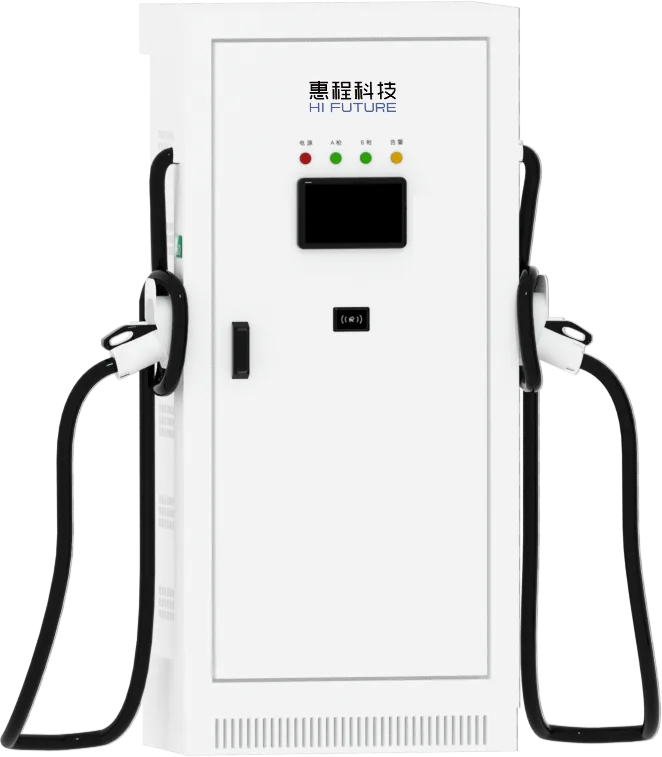
Hifuture covers integrated DC piles, charging terminals, and megawatt-level ring charging systems from 20kW to 1440kW. For export projects, the CE-series models provide a focused entry point for commercial rollout because they combine familiar power ranges with overseas project language: CCS2, OCPP 1.6, global quality consistency, and deployment-oriented cooperation.
Frequently Asked Questions
What makes an EV charger export-ready?
An export-ready EV charger should align with local connector standards, backend protocol requirements, installation conditions, compliance documents, service expectations, and shipment planning.
Is OCPP 1.6 important for overseas charging projects?
Yes. OCPP 1.6 is commonly requested because it helps charging hardware communicate with operator platforms for monitoring, authorization, billing workflow, and remote management.