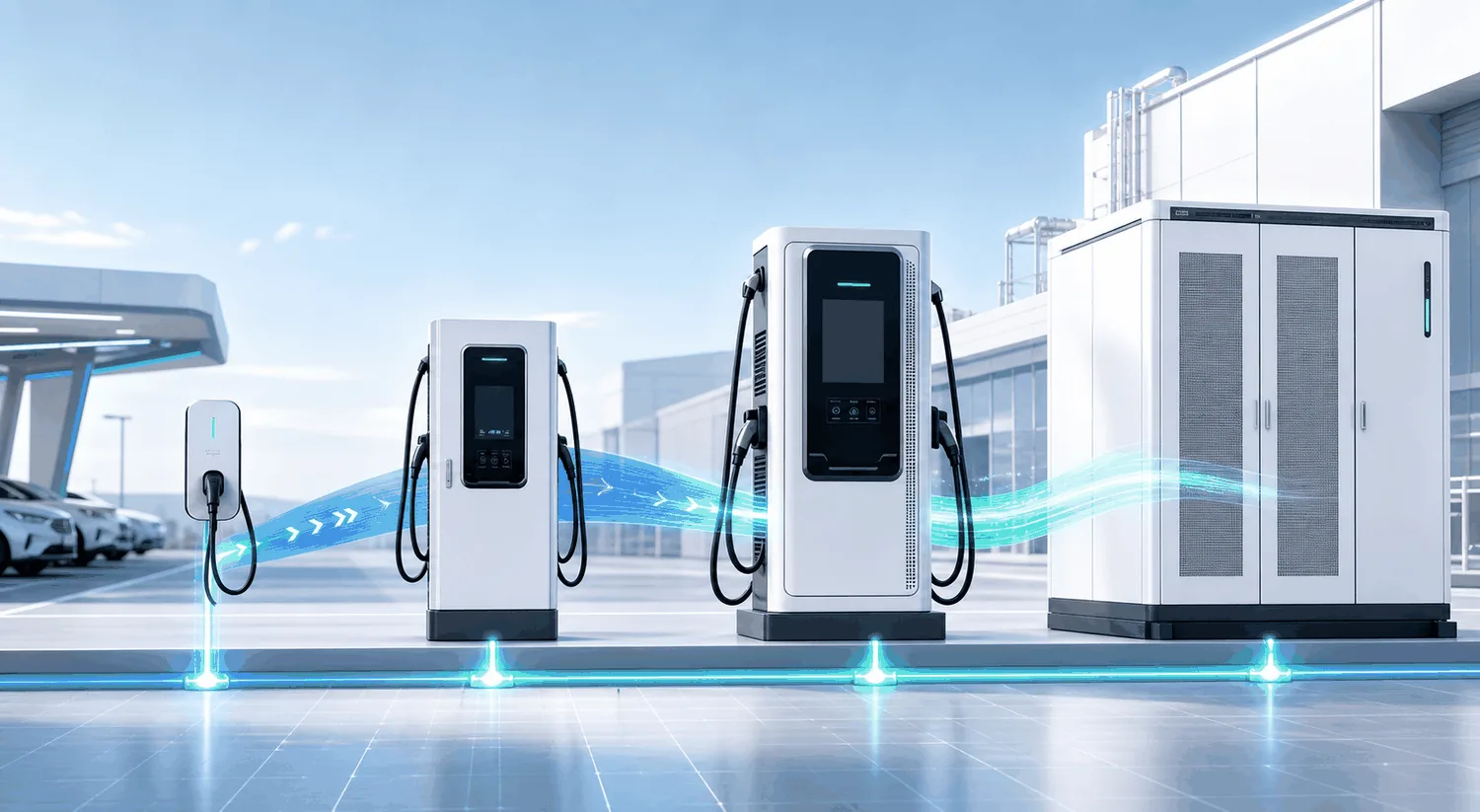
20-40kW for compact sites, 60-240kW for commercial rollout, and 480-1440kW for supercharging hubs.
Match charger output with dwell time, vehicle type, grid capacity, parking turnover, and business model.
A power matrix reduces over-specification and avoids underpowered charging stations.
Start with the charging scenario, not the charger cabinet
Choosing a DC fast charger is a business decision as much as a technical decision. A 20-40kW integrated DC pile can be suitable for destination parking, hotels, offices, and residential communities where vehicles stay longer. A 60-80kW unit is often a practical export entry model for commercial rollout. A 120-240kW charger supports higher turnover in retail, fleet, and public charging applications. For supercharging stations, ring charging stacks and high-power terminals can scale toward 480-1440kW systems.
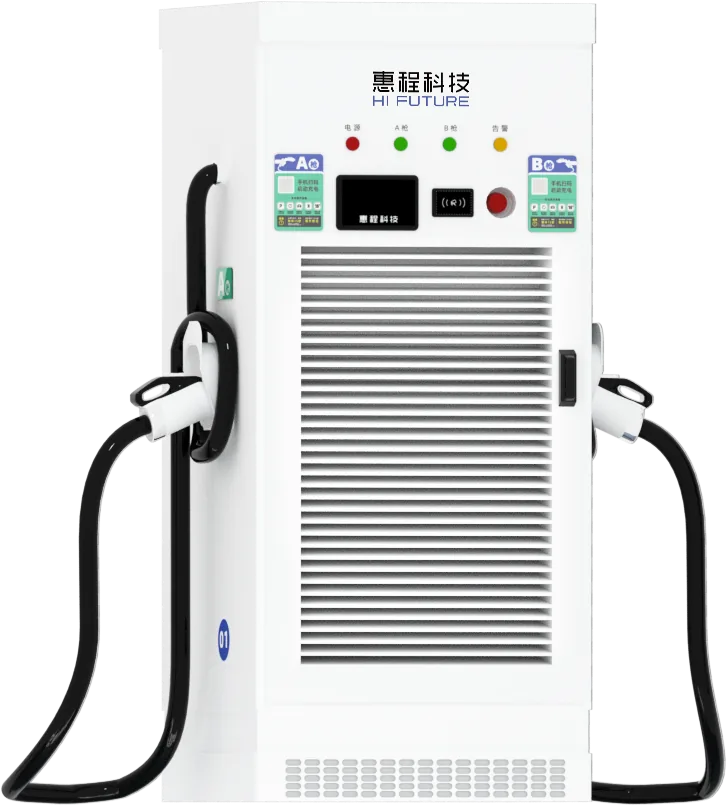
A practical power selection matrix
- 20-40kW: compact sites, community parking, workplaces, small hotels, and lower daily turnover.
- 60-80kW: overseas commercial entry model, destination charging, city operations, and distributor pilot projects.
- 120-240kW: public fast charging, retail parking, fleet support, and higher utilization locations.
- 250-600kW terminals: high-power station layouts, dual-channel service, liquid cooling needs, and faster session turnover.
- 480-1440kW ring charging stack: supercharging hubs, bus or fleet depots, and sites requiring flexible power allocation.
Why modular planning improves ROI
Many buyers start with a single product request, but charging stations perform better when designed as a system. A power matrix helps owners compare capacity, charging bays, grid input, load allocation, and future upgrade paths. Hifuture's portfolio supports this approach because it spans integrated piles, charging terminals, and megawatt-level architecture.
Frequently Asked Questions
What DC charger power is best for commercial parking?
Many commercial parking projects start with 60-160kW, depending on dwell time, grid capacity, and vehicle turnover.
When should a project consider megawatt-level charging?
Megawatt-level charging is suitable for supercharging hubs, bus depots, logistics fleets, and high-turnover stations that need flexible high-power distribution across multiple bays.